Total Solar Eclipse 2026
in Spain
Click any image to open it in high resolution.
Two Locations, One Event
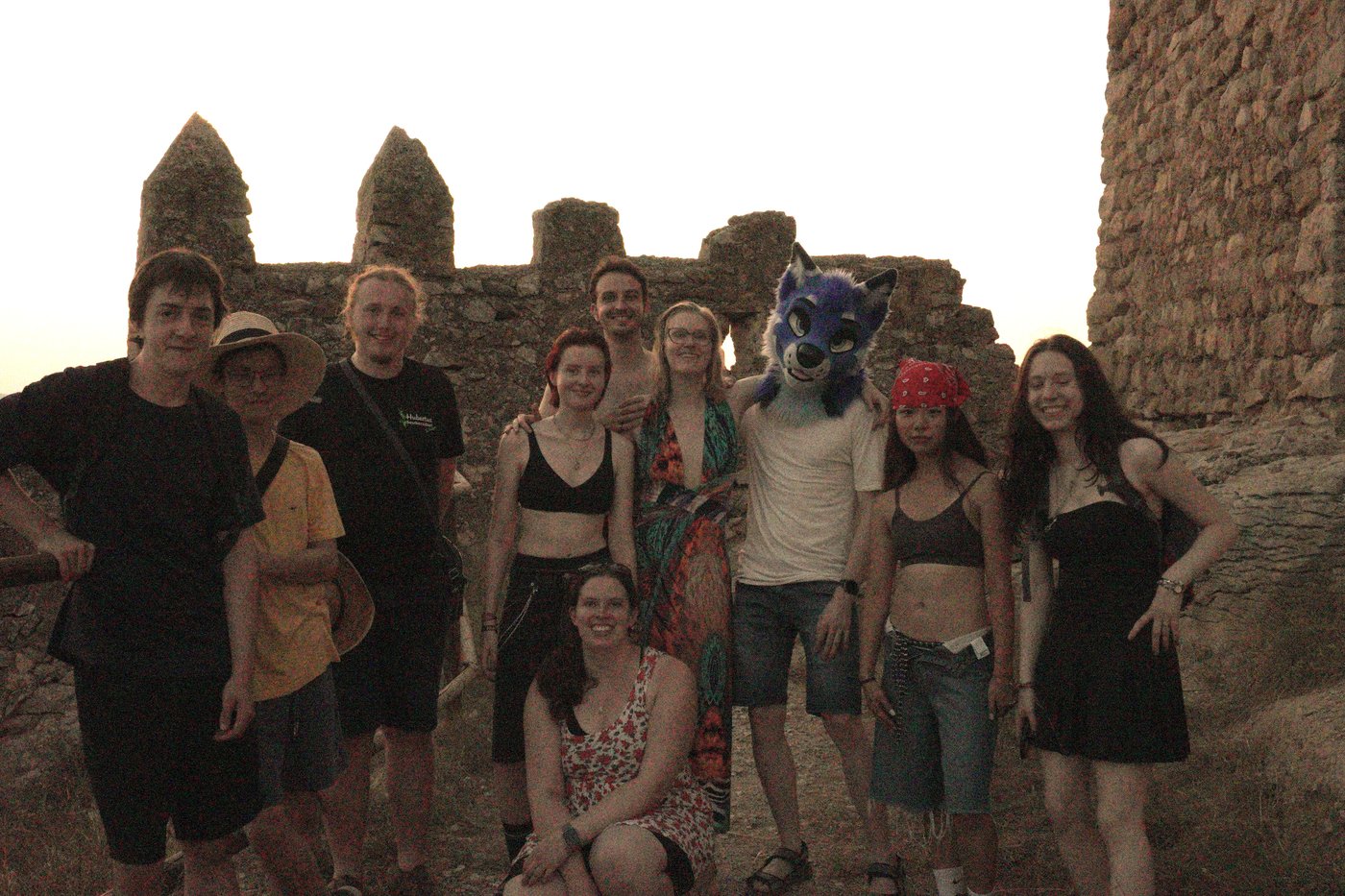
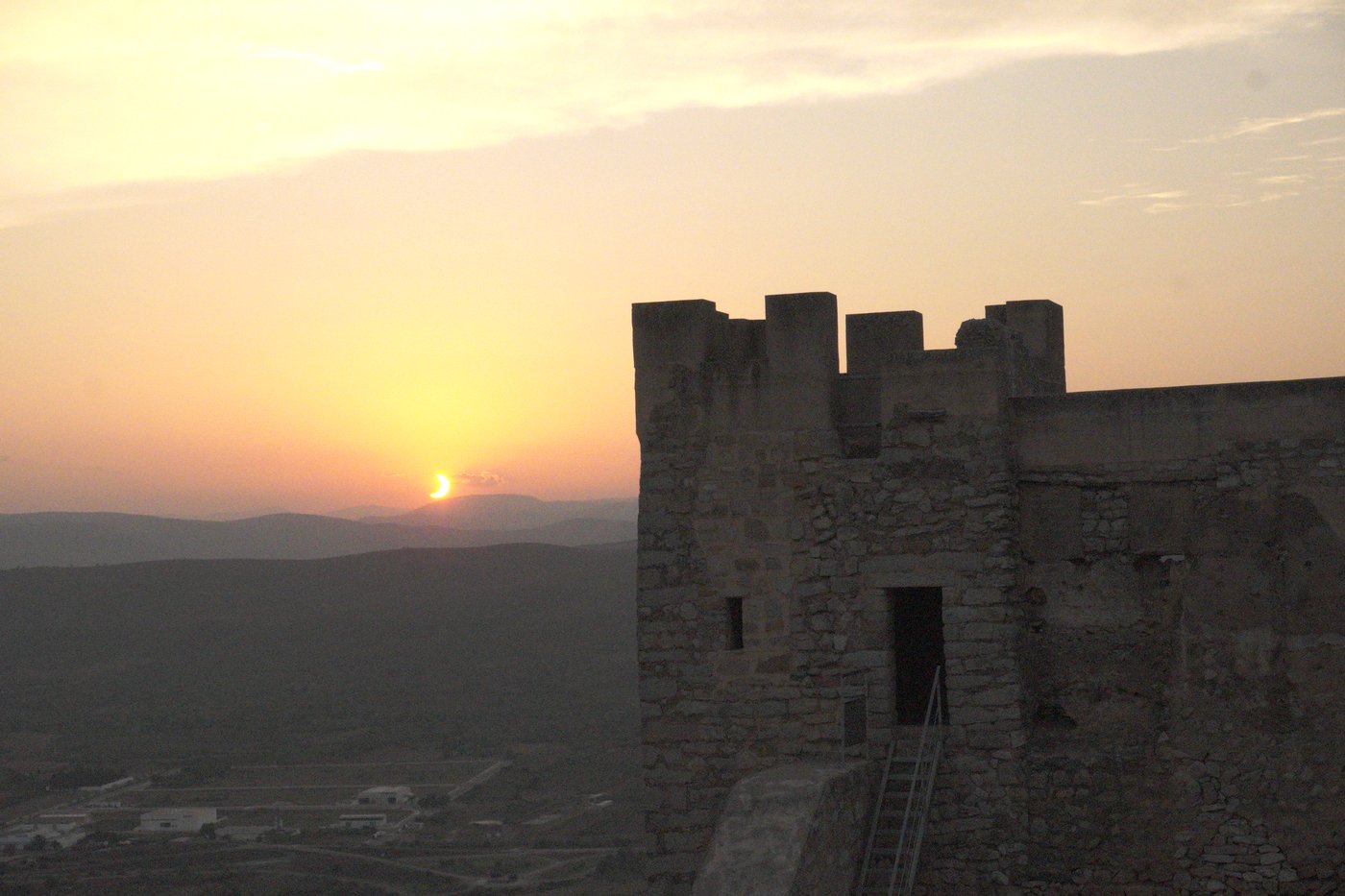
While Tabea Mann, Anja Holm, Milos Provci and Christian Ambros followed the event with students Amelie, Fritzi and Seoyeon from Schillergymnasium Münster from the castle complex “Castell d'Alcalà de Xivert” near Valencia, Paul Breitenstein positioned himself around 300 kilometres to the north-west at the ruin “Castillo de Ayud” near Calatayud.
Here are the gripping reports from our two locations:
Location 1 (Coast): Cloud Jitters and the Cricket Phenomenon
By Tabea Mann
Because the eclipse was to take place in the west shortly before sunset, we chose the historic castle above the coast as our vantage point. But nature made it exciting: a huge cloud blocked our view completely. Together with other travellers we waited anxiously, second by second. As a result, we missed the beginning of the partial phase entirely – but we were determined not to miss the main spectacle.
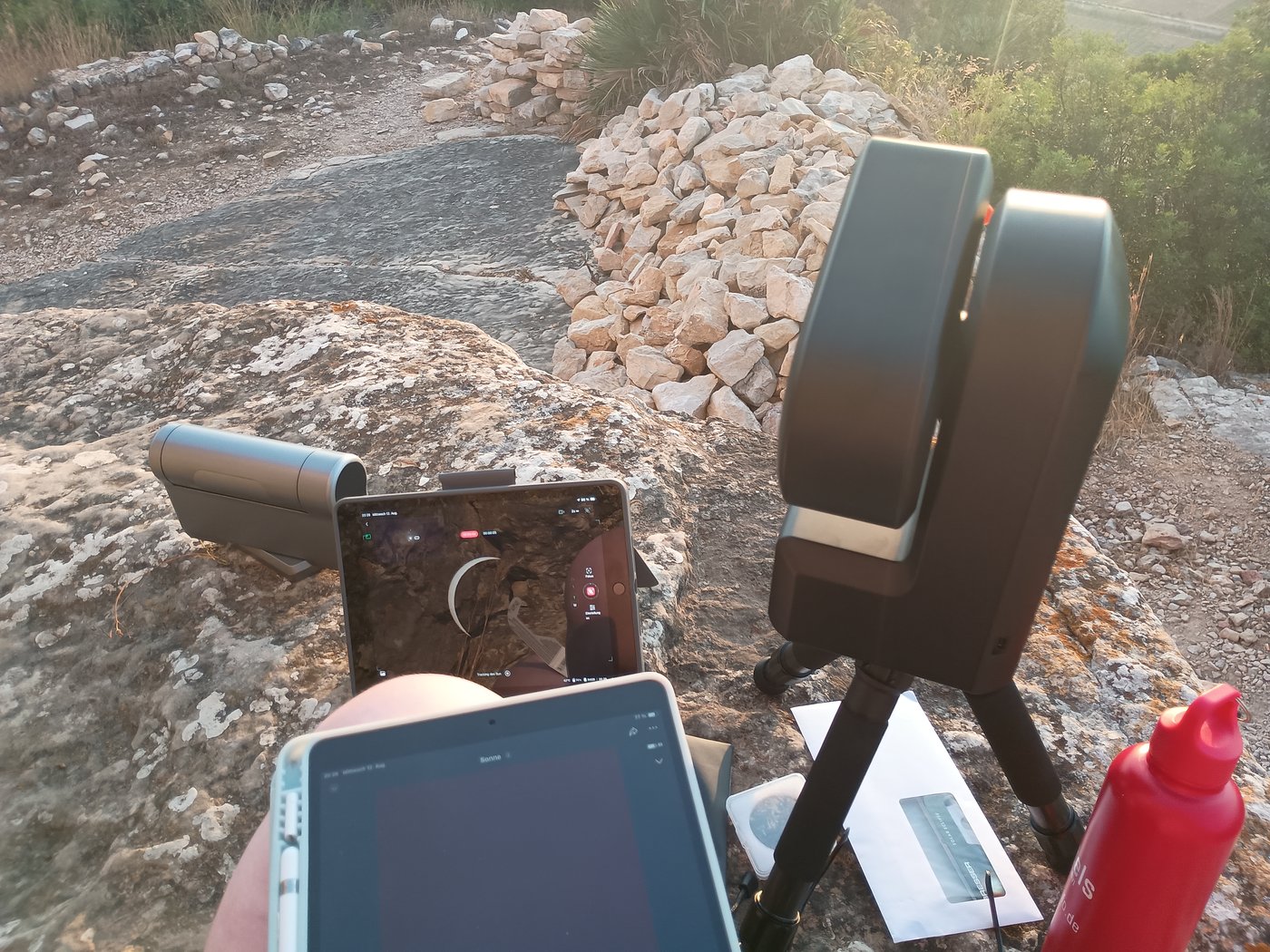
The timing was cinematic: the cloud cover only broke 15 minutes before totality! We quickly put on our eclipse glasses and got the smart telescopes we had brought along ready. While the SEESTAR S50 struggled because of the already very narrow solar crescent, the DWARF 3 mastered the challenge perfectly and captured fantastic images of totality and its temporal surroundings.
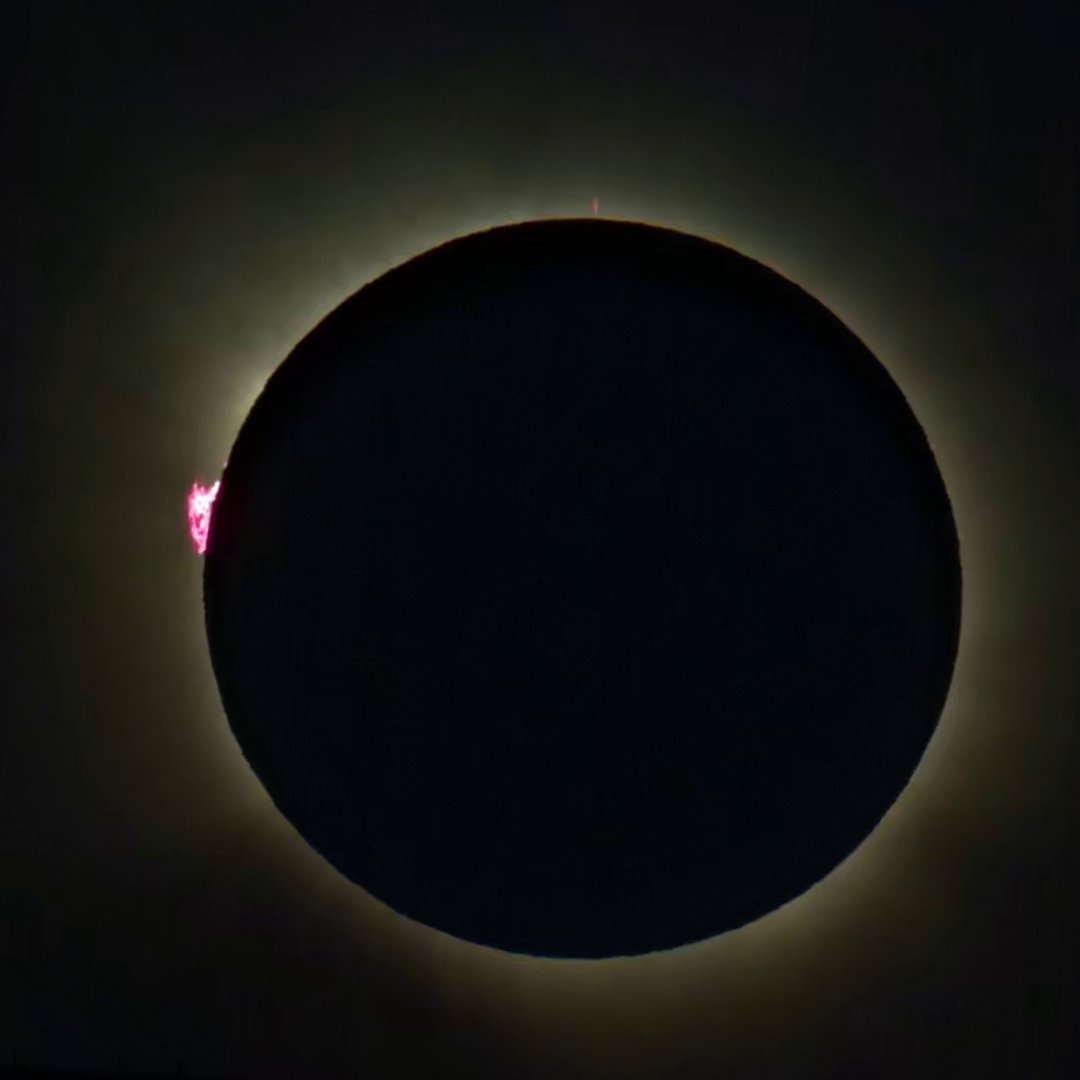
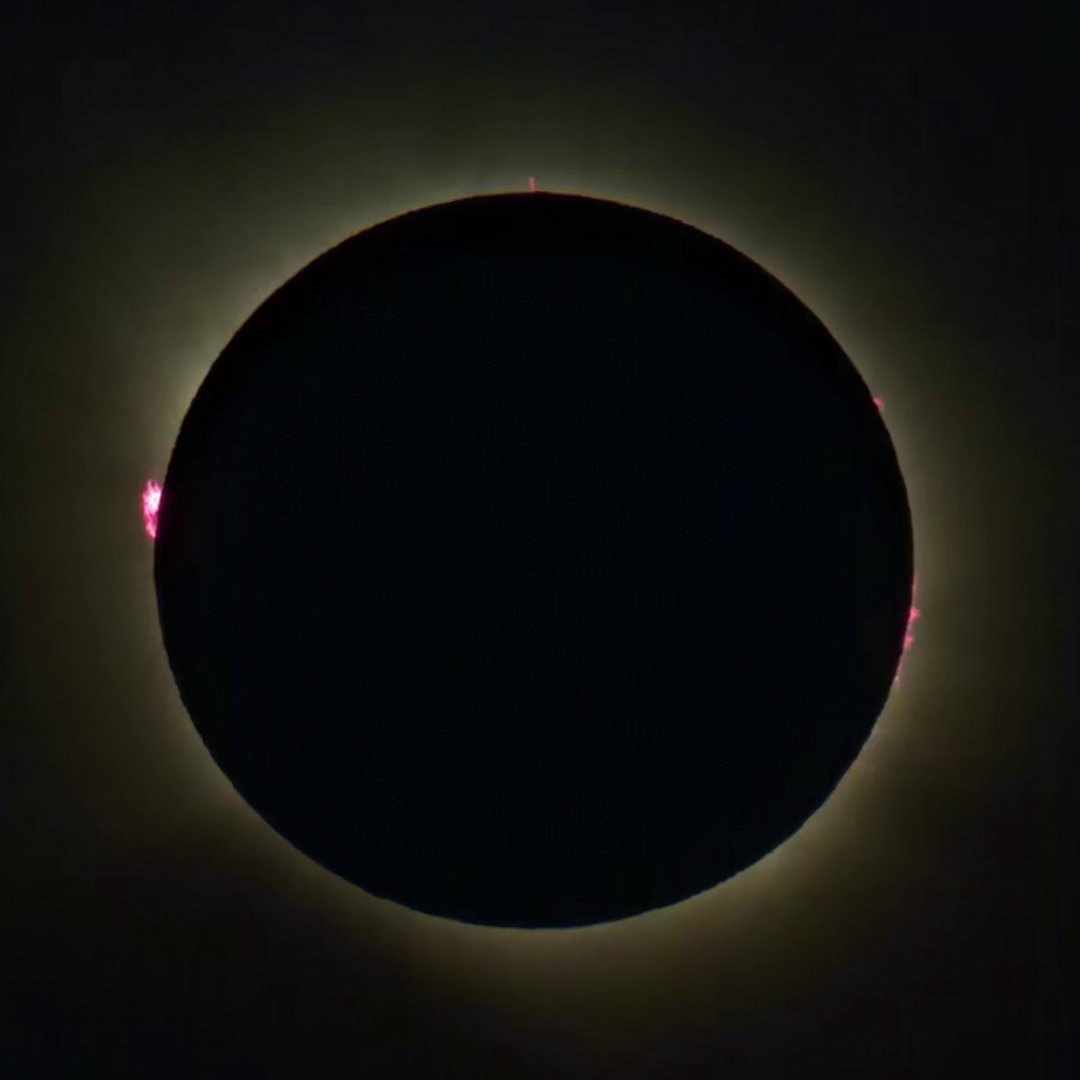
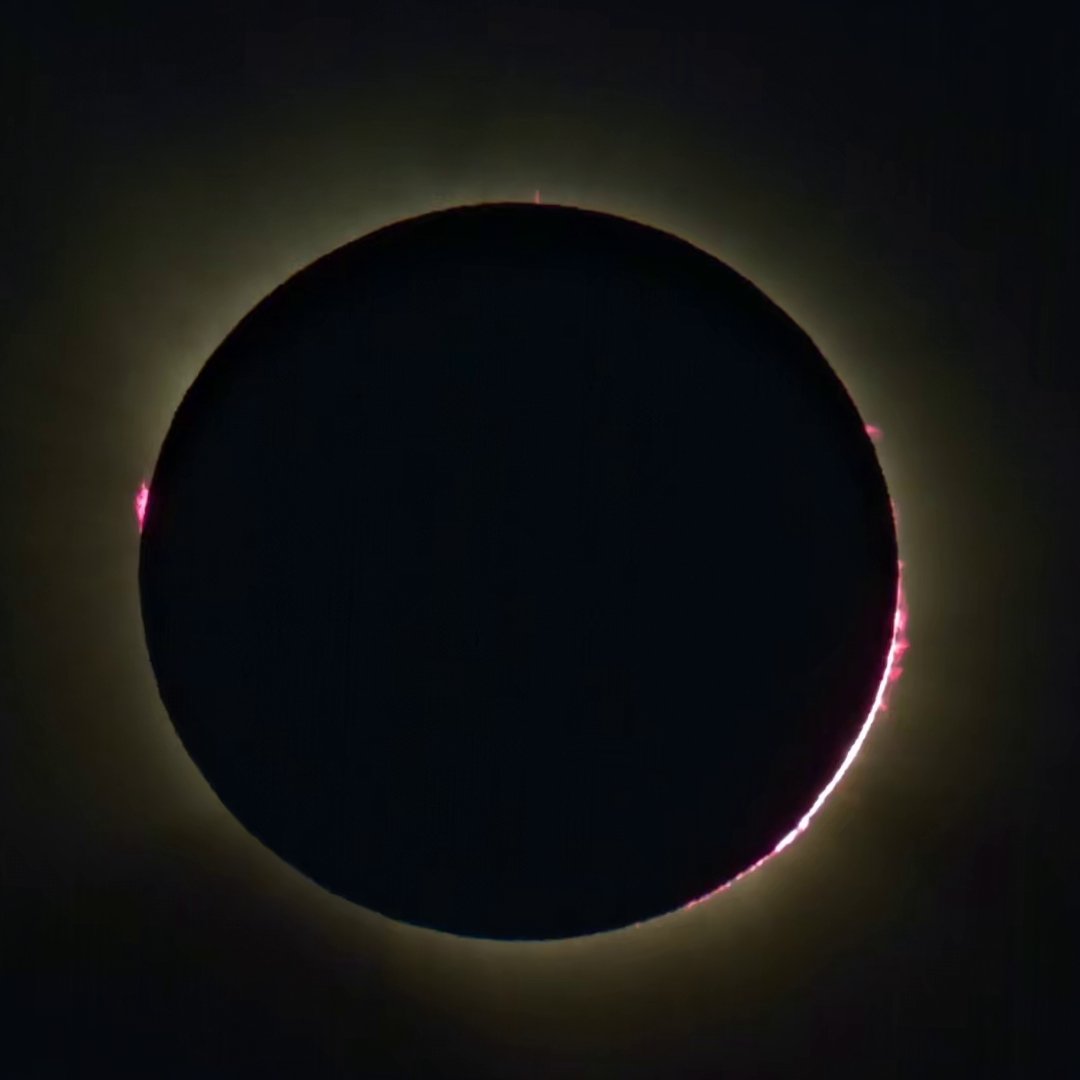
Besides the images, the natural experience was spectacular: as the light faded, the crickets on the castle turned up the volume, only to fall abruptly silent shortly after totality. Fascinatingly, a little further down the hill the crickets ignored the darkness completely. The one and a half minutes of totality flew by before the eclipsed Sun finally sank below the horizon. An unforgettable experience!
Location 2 (Inland): Sahara Dust and the Telescope Endurance Test
By Paul Breitenstein
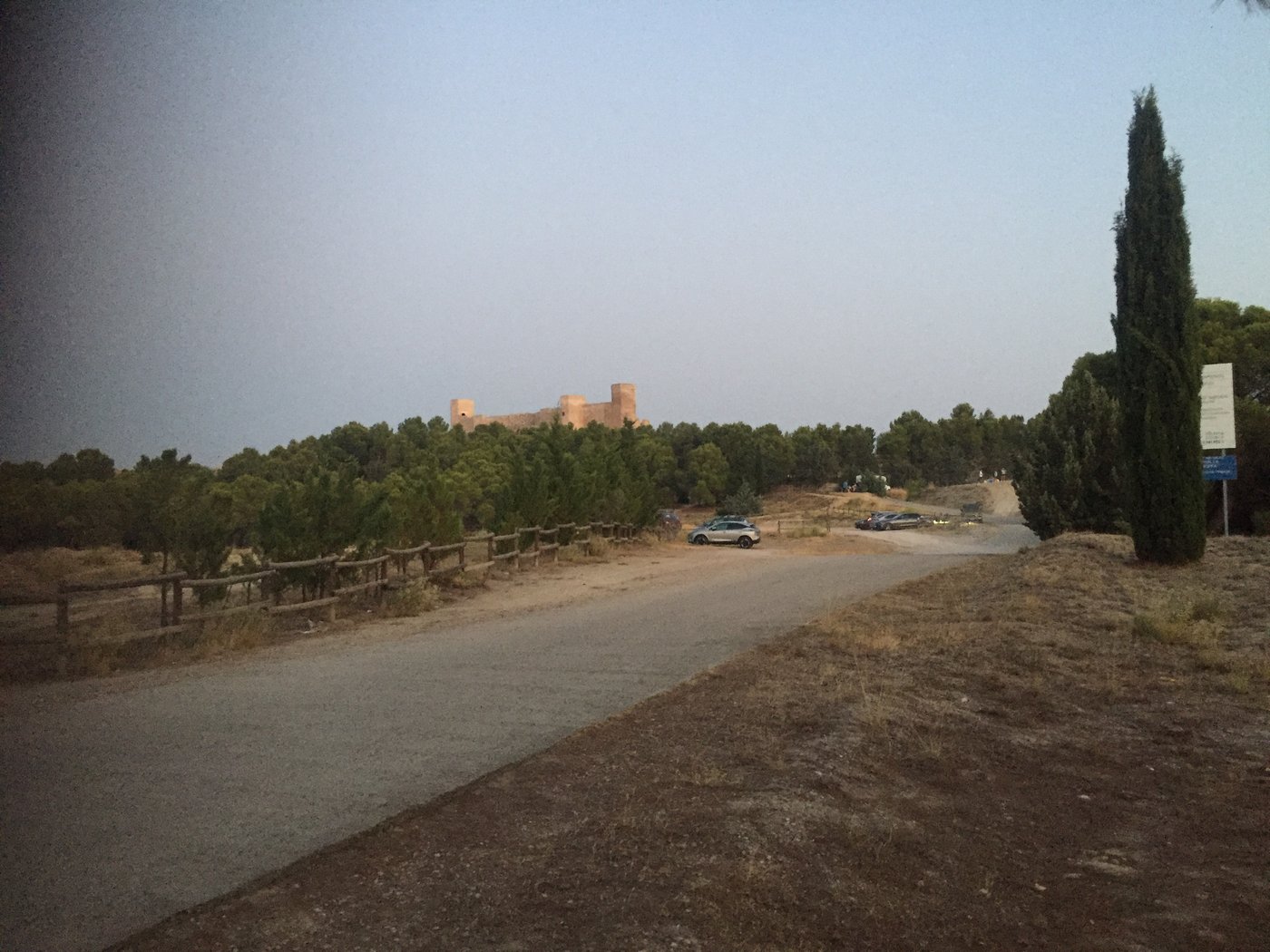
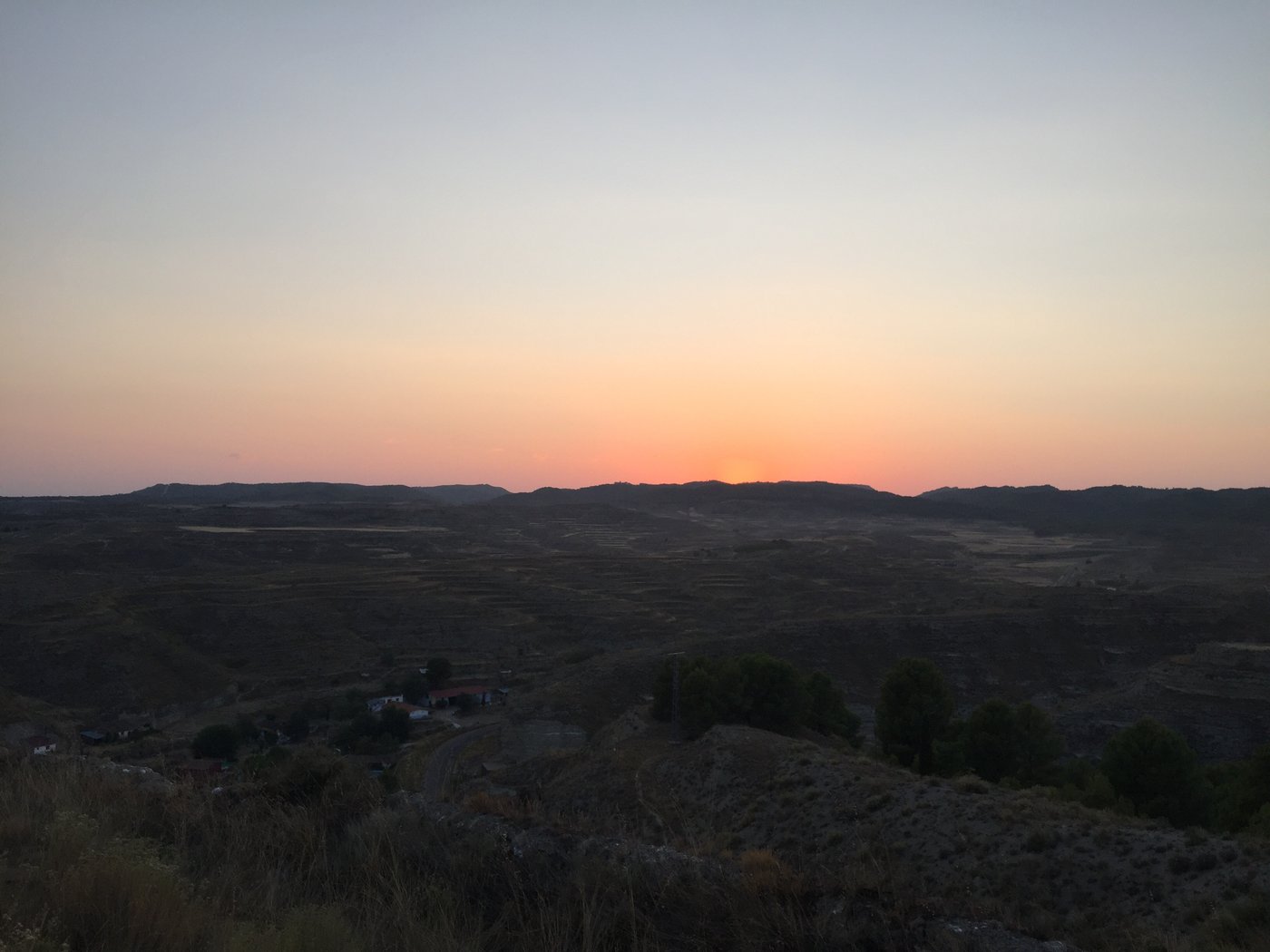
At the ruin near Calatayud the weather was more stable. The sky was hazy with Sahara dust, but free of clouds in the direction of observation. The real challenge at this site was the fierce gusts of wind and extreme heat.
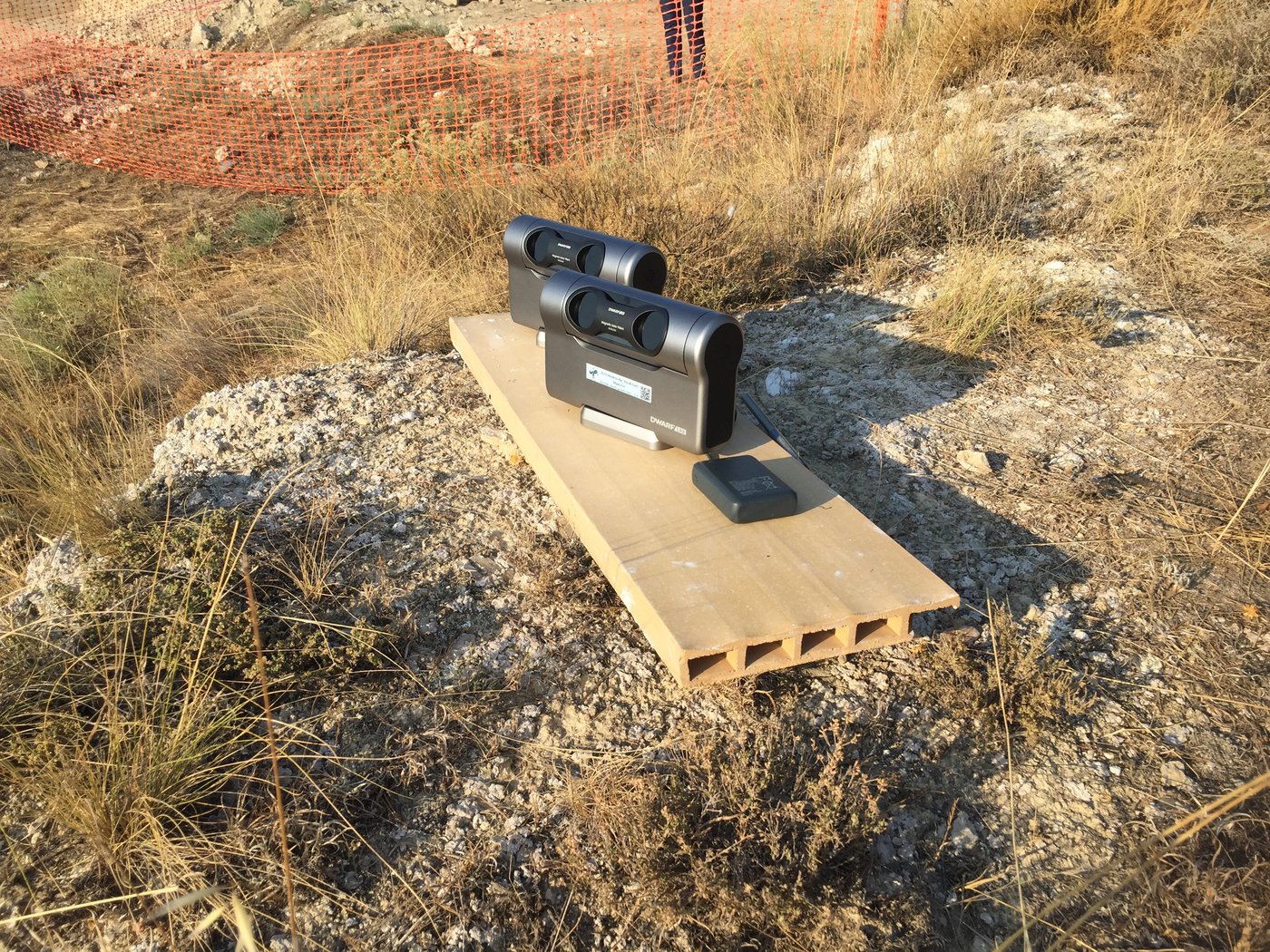
In our luggage: two DWARF 3 and one DWARF mini. Because of the limited flight luggage, we had left their tripods at home – a mistake that proved fatal for the DWARF mini. Thanks to its upright design and low weight, it tipped over several times in the wind, so we had to pack it away for safety. The flatter DWARF 3 devices withstood the gusts without any problem. The remaining shake in the images could be stabilised digitally afterwards.
The second problem: the enormous summer heat made the devices glow. But they held up. Thanks to two power banks, the power supply remained stable throughout. For the future we have learned: in such conditions, improvised shading or cooling is essential, also to relieve the autofocus.
Our Video
Our video of the total solar eclipse 2026 summarises the impressions from both locations:
The video was deliberately put together using only simple school resources. Even without in-depth astronomical post-processing, the result is an absolute hit and a great success for our project!
Conclusion
The one and a half minutes of totality flew by – an unforgettable experience for everyone involved. Despite clouds on the coast, gusts of wind inland and extreme heat, we were able to bring home fantastic images and memories.